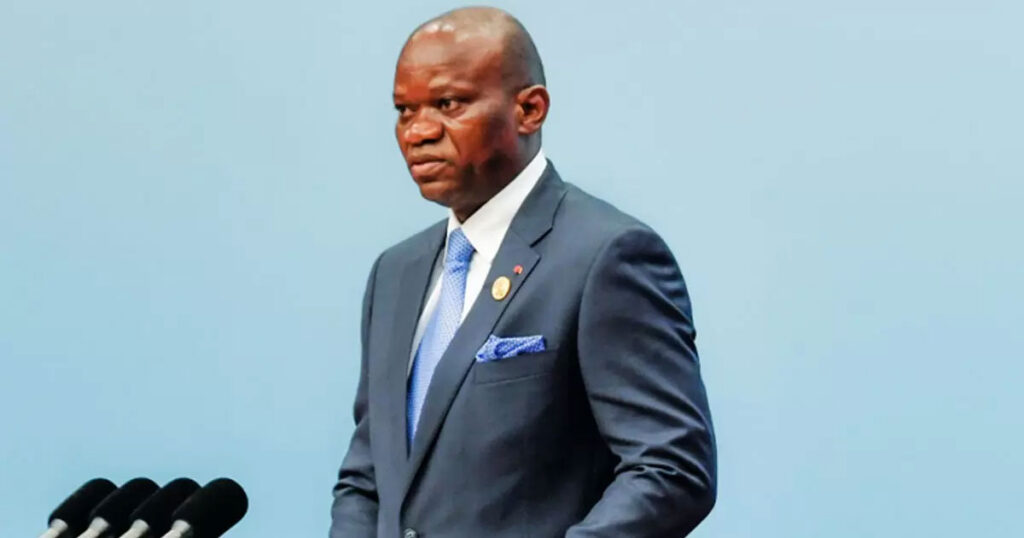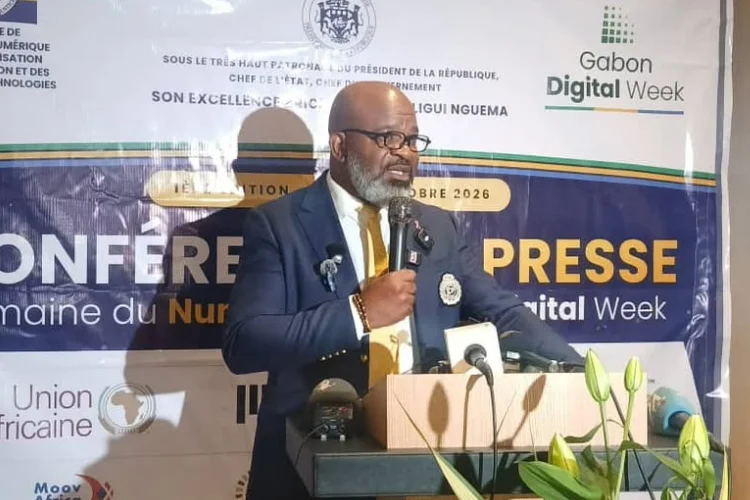
Gabonese leader Brice Oligui Nguema has taken the unusual step of publicly confronting BW Energy, the Norwegian oil company operating the country’s Dussafu offshore field, following the Prospector 5 vessel’s sinking. By personally holding the firm accountable, the transitional president is not merely addressing a maritime accident but reshaping Gabon’s relationship with foreign investors—signaling a shift toward state-led oversight of high-stakes industrial incidents.
The president’s move reveals deeper shifts in Gabon’s energy governance
The direct public intervention marks a clear departure from Gabon’s previous hands-off approach to hydrocarbon sector relations. Since August 2023, the transitional authorities have systematically asserted control over extractive industries, from renegotiating oil assets purchased from Assala Energy to revising mining contracts. The Prospector 5 incident fits into this larger pattern, where the state is no longer content to play a passive role.
By addressing BW Energy directly, the president bypasses conventional channels—typically leading to the Ministry of Petroleum, maritime authorities, or sector regulators. This strategic bypass aims to dictate the crisis narrative, ensuring the executive maintains tight control over the timeline of disclosures and outcome. It also ties the president’s credibility to transparent communications with the public, a politically sensitive commitment that must be fulfilled within a tight timeframe.
BW Energy: a strategic offshore operator in Gabon’s economy
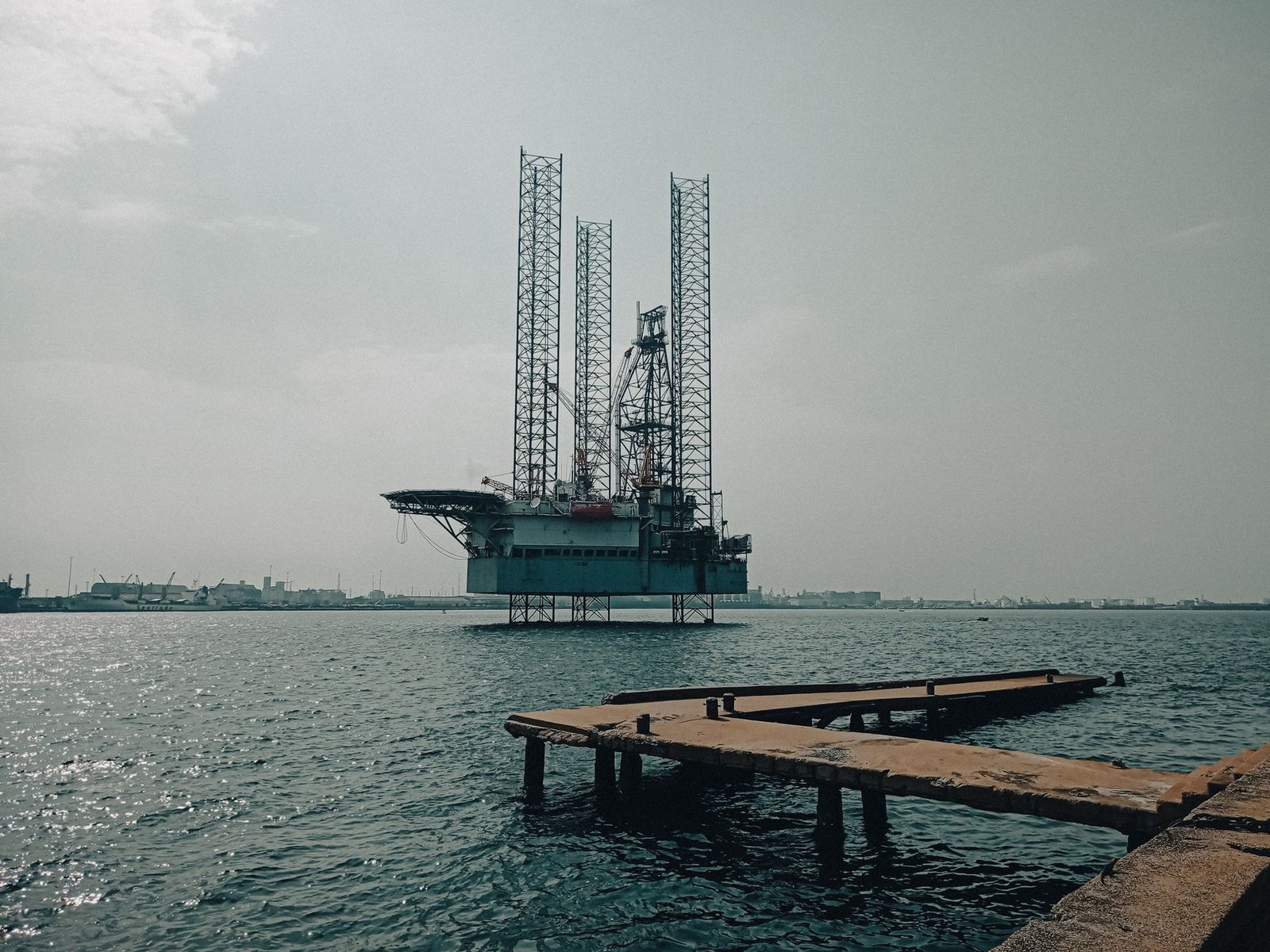
BW Energy, a spin-off of Norway’s BW Offshore, operates Gabon’s Dussafu oil field off the Nyanga province coast—one of the country’s most prolific offshore assets, producing tens of thousands of barrels daily. The Gabonese project represents the cornerstone of the company’s global portfolio, alongside ventures in Brazil and Namibia. This mutual dependence makes the presidential scrutiny especially consequential.
For Libreville, revenues from Dussafu are vital in a strained fiscal environment, with national hydrocarbon output hovering around 200,000 barrels per day—nowhere near the peak of the early 1990s. For the Norwegian firm, Gabon is a key market for shareholder value, and a prolonged dispute with the host state risks undermining investor confidence and company valuation.
How maritime disasters reshape energy policy: lessons from global incidents
Offshore accidents have repeatedly redefined the power balance between producing states and international energy firms. The Deepwater Horizon explosion in the Gulf of Mexico (April 2010), which killed 11 workers and triggered the worst environmental disaster in U.S. history, fundamentally altered federal regulations and the balance of power between regulators and BP. Similarly, recurring incidents involving Shell and ExxonMobil in neighboring Nigeria led to a sweeping overhaul of the petroleum sector through the 2021 Petroleum Industry Act.
Gabon, too, updated its regulatory framework in 2019 with a new hydrocarbons code, later amended to strengthen local content obligations and operator accountability. Yet, the practical enforcement of these rules has never faced a real-world test in a major accident scenario. How the presidency manages the investigation, whether an independent commission is appointed, and how transparently findings are released will set a precedent for future contracts and ongoing talks on partial asset nationalization.
A credibility test for Gabon’s transitional leadership
The pledge of truth to the Gabonese people transcends the handling of a single industrial disaster. It reflects the credibility of the revolutionary narrative championed by the transitional government over the past two years—especially ahead of pivotal political milestones. A process perceived as opaque or skewed in favor of the foreign operator would undermine the government’s claim of restored sovereignty.
Conversely, a stringent inquiry culminating in justified penalties—if BW Energy’s responsibilities are established—could bolster investor confidence and validate the country’s ambitions in renegotiating extractive contracts. On this issue, the Gabonese executive is not merely resolving a maritime accident; it is staking its reputation on a broader vision of energy governance and state autonomy.